Scene 29
Notes26-01-21e
Scene 29

[26-01-21]
Follow-on Scene — “Not the Direction I Expected” (Lauren POV)
Three months doesn’t announce itself with fireworks.
It announces itself with habits.
The hook Charli uses without thinking. The way she reaches for the tape measure before someone asks. The way the room no longer pauses when she steps into it—because she belongs there now, as naturally as the kettle, as naturally as Mara’s shears.
And the laugh.
That is what I notice first.
Not a loud laugh. Not attention-seeking. Just… present. A quiet, honest sound that appears and stays, instead of flickering like it used to—here for a second, then gone, as if she’d remembered she wasn’t supposed to take up joy.
I’m on the floor more today, not because I’m avoiding the upstairs work, but because the floor is where the truth is. The ledger might record outcomes, but the worktables tell you what’s actually happening to people.
Charli is at the long table in her shift again. The new one. The one she designed.
I still remember the earlier versions—too stiff in the shoulder, too cautious in the gusset, as if she’d been trying to build a garment that wouldn’t offend anyone rather than one that would function. This one looks like a real thing a real woman would wear under a real day.
It sits properly. It moves properly.
Mara has her in stays over it, checking stress points with the hard patience she reserves for anything worth doing well. Charli lifts her arms, turns, bends, reaches—movement tests that used to make her tense, as if any attention to her body was dangerous.
Now she does it like it’s simply part of the job.
That’s the other thing I notice.
She used to move like she expected to be corrected.
Now she moves like she expects to be guided.
It’s a subtle difference, but it changes everything.
Tahlia circles her with a tape measure, efficient, almost affectionate in the way competence can be affectionate. Lucy watches from her station with that same expression she always has—mild contempt for the universe, absolute loyalty to the work.
Sarah is perched somewhere she shouldn’t be perched, commenting on everything like the room belongs to her (it does).
The Faire girls drift in and out. They always do now. Wardrobe has become a kind of backstage sanctuary for them—where the chatter is sharp and safe, where nobody is trying to impress a man, where “pretty” is a tool and not a trap.
They talk around Charli as if she’s always been there.
That’s what keeps catching me: not the deliberate acts of inclusion, but the lack of hesitation. The way a woman will include another woman without thinking, because inclusion is the default in a women’s room unless you’ve proven yourself unsafe.
Charli hasn’t proven herself unsafe. She’s proven the opposite.
One of the actresses—Bree, bright-eyed and taller than she realises—leans against the table and says, “She’s got better posture than me. It’s rude.”
Charli’s face warms, and she smiles.
And she doesn’t correct her.
No glance to see who heard. No hurried, awkward laugh to undo it. No stiff little “Actually—”
Just a smile, as if the word is not a threat but a hand offered palm-up.
That should not matter as much as it does.
I feel my own mind trying to do what it has always done: catalogue, interpret, keep the system coherent.
But this isn’t a ledger problem.
It’s a people problem.
And on the floor, people problems resolve themselves socially long before the “official” minds catch up.
Lucy mutters something about seam allowances. Sarah says, loud enough for everyone, “Don’t fuss her, she’s not a delicate flower—she’s Celeste’s wife.”
It’s meant as a joke. Sarah’s jokes always are and aren’t jokes at the same time.
Charli goes pink, but it’s a different pink than before—less shame, more… warmth. Like embarrassment has stopped being humiliation and started being proof she’s being seen.
Tahlia laughs. “She is, though.”
“Functionally,” Lucy adds, as if she’s delivering a verdict on a hem. “She does the wife work.”
Sarah’s eyes flick to me. The smallest lift of brow. See? she says without words. We’ve been living here for weeks.
Charli’s mouth opens, closes. For a second I think she’ll deny it. That old reflex—make yourself smaller, make it safe for everyone else.
Instead she says, softly, “I don’t mind.”
It’s the same phrase I’ve heard her use before, but it doesn’t sound like surrender now. It sounds like acceptance. Like relief.
That’s when I notice the physical shift that has been creeping up on me.
It isn’t dramatic. It isn’t “transformation” in the comic-book sense. It’s the slow, plausible accumulation of months: how the shift sits a little differently at the chest than it did. How the stays, designed to frame and support, reveal a little more fullness than I would have expected from the earlier fittings.
Not obscene. Not even pronounced in a way you’d point at.
Just… there.
A softness that reads as body-truth, not costume.
And it makes something in me click—not in alarm, but in understanding: whatever Charli was fighting in herself before, that frantic edge, that brittle defensiveness… it’s quieter now.
She looks like someone who has stopped waking up at war with her own reflection.
I watch her laugh at something Bree says—something silly about rehearsal tantrums—and the laugh reaches her eyes. She looks younger when she laughs, lighter. Like she’s finally been allowed to enjoy the room instead of merely surviving it.
I realise, with a small internal jolt, that I had assumed her “settling” would look like… accommodation. Like compromise. Like learning to endure.
This is not endurance.
This is blossoming.
And not in the direction I would have guessed, if you’d asked me three months ago.
Because the room has not “trained” Charli into anything.
The room has simply treated her as what it recognises: safe. kin. ours.
And Charli has responded the way people respond to safety: she has softened into herself.
Celeste appears at the edge of the floor—briefly, like a tide checking the shoreline. She watches Charli move in the stays, listens to the chatter, and I can see the approval in her face even before she speaks. She’s pleased the garments are behaving. Pleased the workflow is behaving.
Pleased—though she won’t call it that—that Charli is laughing.
Then the words land near Celeste, loud enough that she can’t miss them.
“She needs the smaller pins.” “Tell her I’ve got the tape.” “She’s coming tonight, right?”
And there’s the micro-pause in Celeste’s posture: not outrage, not surprise exactly—more like the moment someone realises the room has been living in a reality she hasn’t officially named yet.
I see it happen in her face: the recalculation. The internal acceptance.
She doesn’t correct them.
Of course she doesn’t.
Celeste isn’t sentimental, but she isn’t cruel. She understands what it would cost to reopen the question when the room has already answered it with warmth.
Charli glances toward Celeste then—quickly, like she’s checking if she’s in trouble.
She isn’t.
Celeste says something practical about the line of the stays. She adjusts a lace end with careful hands. And she lets the words stand.
The moment passes.
But it leaves something behind.
Later, when the room shifts and people drift to their stations, Charli comes toward me to return a tool—needle case, perhaps—hands cupped around it like she’s carrying something delicate.
She looks up at me, and her expression is open in a way it never used to be.
“Lauren,” she says, quietly. “Do you… mind? The… you know.”
The pronouns. The name. The whole drift of language that has become real without ever being formal.
I study her for a beat.
Not to judge.
To understand what she’s asking for.
She isn’t asking permission.
She’s asking whether I will be another woman who keeps the door open.
I feel something in my chest tighten—not with resistance, but with responsibility.
“I don’t mind,” I say, borrowing her own language back to her, but letting it mean what it should have always meant: you’re safe with me.
Charli’s shoulders drop a fraction, relief moving through her like warmth.
“Thank you,” she says, and it’s not performative. It’s not ingratiating. It’s simply… honest.
As she turns to go, I notice the faintest thing—nothing I can name, nothing I can prove. Just a sense that she is carrying a private solution to something. A quiet decision that has made her calmer.
Her smile is brighter now, but there’s a carefulness around it—as if she’s protecting it. As if she’s terrified something might take it away.
I watch her rejoin the group—Tahlia nudging her shoulder, Bree waving her into the conversation, Lucy making a dry remark that somehow counts as affection—and I understand, suddenly, what’s really at stake.
This isn’t about pronouns.
This is about belonging.
And Charli has tied her happiness to it in a way that makes her both luminous… and vulnerable.
I don’t know yet what she’s done to keep that belonging safe inside her own body.
But I have the uncomfortable certainty that one day soon, we’ll find out.
And when we do, we won’t get to treat it as a simple problem.
It will be a person.
It will be her.
Whenever you’re ready, the next step that will make the later bottle-discovery scene feel earned is a tiny “echo” beat somewhere in the next couple of scenes: Lauren notices Charli being unusually careful with her bag, or disappearing briefly with a guarded look, or declining something in a way that reads as “I have a system; please don’t disturb it.” Nothing explicit. Just enough breadcrumbing that, later, the discovery feels like the reader finally sees what was always there.
Notes26-01-21r1
Scene 29

[26-01-21]
Three months didn’t announce itself with fireworks.
It announced itself with habits.
The hook Charli used without thinking. The way he reached for the tape measure before someone asked. The way the room no longer pauses when he stepped into it, because he belongs there now, as naturally as the kettle, as naturally as Mara’s shears.
And the laugh.
That is what I noticed first.
Not a loud laugh. Not attention-seeking. Just... present. A quiet, honest sound that appeared and stayed, instead of flickering like it used to: there for a second, then gone, as if he’d remembered he wasn’t supposed to take up joy.
I was on the floor more, not because I was avoiding the bureaucratic work, but because the floor was where the truth was. The ledger might have record outcomes, but the worktables told you what was actually happening to people.
Charli was at the long table in his chemise again. The new one. The one she had designed. I could remember the earlier versions: too stiff in the shoulder, too cautious in the gusset, as if he had been trying to build a garment that wouldn’t offend anyone rather than one that would function. This one looked like a real thing a real woman would wear under a real day.
It sat properly. It moved properly.
Mara had him in stays over the chemise, checking stress points with the hard patience she reserved for anything worth doing well. Charli lifted his arms, turned, bent, reached: movement tests that used to make him tense, as if any attention to his body was dangerous. Now he did it like it was simply part of the job.
That was the other thing I noticed. He used to move like he expected to be corrected.
Now he moved like he expected to be guided.
It was a subtle difference, but it changed everything.
Tahlia circled him with a tape measure, efficient, almost affectionate in the way competence can be affectionate. Lucy watched from her station with that same expression she always had: mild contempt for the universe, absolute loyalty to the work.
Sarah was perched somewhere she shouldn’t be perched, commenting on everything like the room belongs to her (which, it did).
The Faire girls drifted in and out. They always did now. Wardrobe had become a kind of backstage sanctuary for them, where the chatter was sharp and safe, where nobody was trying to impress a man, where “pretty” was a tool and not a trap.
They talked around Charli as if he had always been there, part of them.
That was what kept catching me: not the deliberate acts of inclusion, but the lack of hesitation. The way a woman would include another woman without thinking, because inclusion was the default in a women’s room unless you had proven yourself unsafe. Charli hasn’t shown himself to be unsafe: he had proven the opposite.
One of the actresses—Bree, bright-eyed and taller than she realised—leaned against the table.
“She’s got better posture than me. It’s rude.”
Charli’s face flushed quickly, and he smiled.
And he didn’t correct her.
No glance to see who heard. No hurried, awkward laugh to undo it. No stiff little “Actually—” Just a smile, as if the word is not a threat but a hand offered palm-up. That should not have mattered as much as it did.
I felt my own mind trying to do what it has always done: catalogue, interpret, keep the system coherent.
But this wasn’t a ledger problem. It was a people problem.
And on the floor, people problems resolved themselves socially long before the “official” minds could catch up.
Lucy muttered something about seam allowances. Sarah said, loud enough for everyone, “Don’t fuss her, she’s not a delicate flower: she’s Celeste’s wife.”
It was meant as a joke. Of course it was! Sarah’s jokes always were... and yet, weren’t jokes at the same time.
Charli went pink, but it’s a different pink than before—less flustered, more... bashful. Like embarrassment has stopped being humiliation and started being proof he was being seen.
Tahlia laughed. “She is, though.”
“Functionally,” Lucy added, as if she was delivering a verdict on a hem. “She does do the wife work. You don't mind, do you, love?”
Sarah’s eyes flicked to me. The smallest lift of brow. See? she said without words. We’ve been living here for months.
Charli’s mouth opened, closed. For a second I thought he would deny it.
Instead he said, softly, “I don’t mind.”
It was the same phrase I’ve heard him use before, but it didn’t sound like surrender. It sounded like acceptance, like relief. That was when I noticed the physical shift, one I had been blind to.
It wasn’t dramatic. It wasn’t “transformation” in the comic-book sense. It was the slow, plausible accumulation of months: how the chemise sat a little differently at the chest than it did before. How the stays, designed to frame and support, revealed a little more fullness than I would have expected from the earlier fittings.
Not obscene nor pronounced in a way one could point at.
Just... there.
A softness that read as body-truth, not costume.
And it made something in me click, not in alarm, but in understanding: whatever Charli had been fighting in himself before, that frantic edge, that brittle defensiveness... it was quieter now.
She looked like someone who had stopped waking up at war with her own reflection.
I watched her laugh at something Bree said—something silly about rehearsal tantrums—and the laugh reached her eyes. She looked younger when she laughed, lighter. Like she’d finally been allowed to enjoy the room instead of merely survive it.
I realised, with a small internal jolt, that I had assumed her “settling” at Celeste's would have looked like... accommodation. Like compromise. Like learning to endure.
This was not endurance.
This was blossoming.
And not in the direction I would have guessed, if you’d asked me three months ago.
The room had not “trained” Charli into anything. The room had simply treated her as what it recognised: safe. kin. ours. And Charli had responded the way people respond to safety: she had softened into herself.
Celeste appeared at the edge of the floor: briefly, like a tide checking the shoreline. She watched Charli move in the stays, listened to the chatter, and I could see the approval in her face even before she spoke. She was pleased the garments were behaving. Pleased the workflow was behaving.
Pleased—though she wouldn’t call it that—that Charli was laughing.
Then the words landed near Celeste, loud enough that she couldn’t miss them.
“She needs the smaller pins.” “Tell her I’ve got the tape.” “She’s coming tonight, right?”
And there was a micro-pause in Celeste’s posture: not outrage, not surprise exactly—more like the moment someone realised the room had been living in a reality she hadn’t a hand in officially naming.
I could see it happen in her face: the recalculation. The internal acceptance.
She didn’t correct them.
Of course she didn’t.
Celeste wasn’t sentimental, and she wasn’t cruel, either. She understood what it would cost to reopen the question when the room had already answered it with warmth.
Charli glanced at Celeste—quickly, like she was checking if she was in trouble.
She wasn’t.
Celeste said something practical about the line of the stays. She adjusted a lace end with careful hands. And she let the words stand.
The moment passed.
But it left something behind.
Later, when the room shifted and people drifted back to their stations, Charli came toward me to return a tool—a needle case—hands cupped around it like she was carrying something delicate.
She looked up at me, and her expression was open in a way it never used to be.
“Mum,” she said quietly. “You… you don’t mind… do you? The girls… you know.”
The girls saying she. The whole drift of language that had become real without ever being formalised.
I studied her for a moment. Not to judge—just to understand what she was asking for.
She wasn’t asking permission. She was asking whether I would be another woman who kept the door open.
Something deep in me tightened… and then, slowly, released. Responsibility, settling into place.
“I don’t mind,” I said, borrowing her own language, but letting it mean what it should have always meant: You’re safe. I’m here.
Charli’s shoulders dropped the tiniest bit, relief easing into her smile.
“Thank you, mum,” she murmured.
As she turned to go, I noticed the faintest thing about her—nothing I could name, nothing I could prove. Had she always smelled like that? I only had a sense she was carrying a private solution to something, some quiet decision that had made her calmer. Her smile was brighter, but there was still a carefulness around it, as if she was protecting it. As if she was terrified something might take it away.
I watched her rejoin the group—Tahlia nudging her shoulder, Bree waving her into the conversation, Lucy making a dry remark that somehow counted as affection—and I understood, suddenly, what was really at stake.
This wasn’t about pronouns. It was about belonging.
And Charli had tied her happiness to it in a way that made her both luminous… and vulnerable. I didn’t know what she had done to keep that belonging safe inside her own body. But I had the uncomfortable certainty that one day soon, we would find out.
And when we did, we wouldn’t get to treat it as a simple problem.
It would be a person.
It would be her.
Notes26-01-21er1
Scene 29
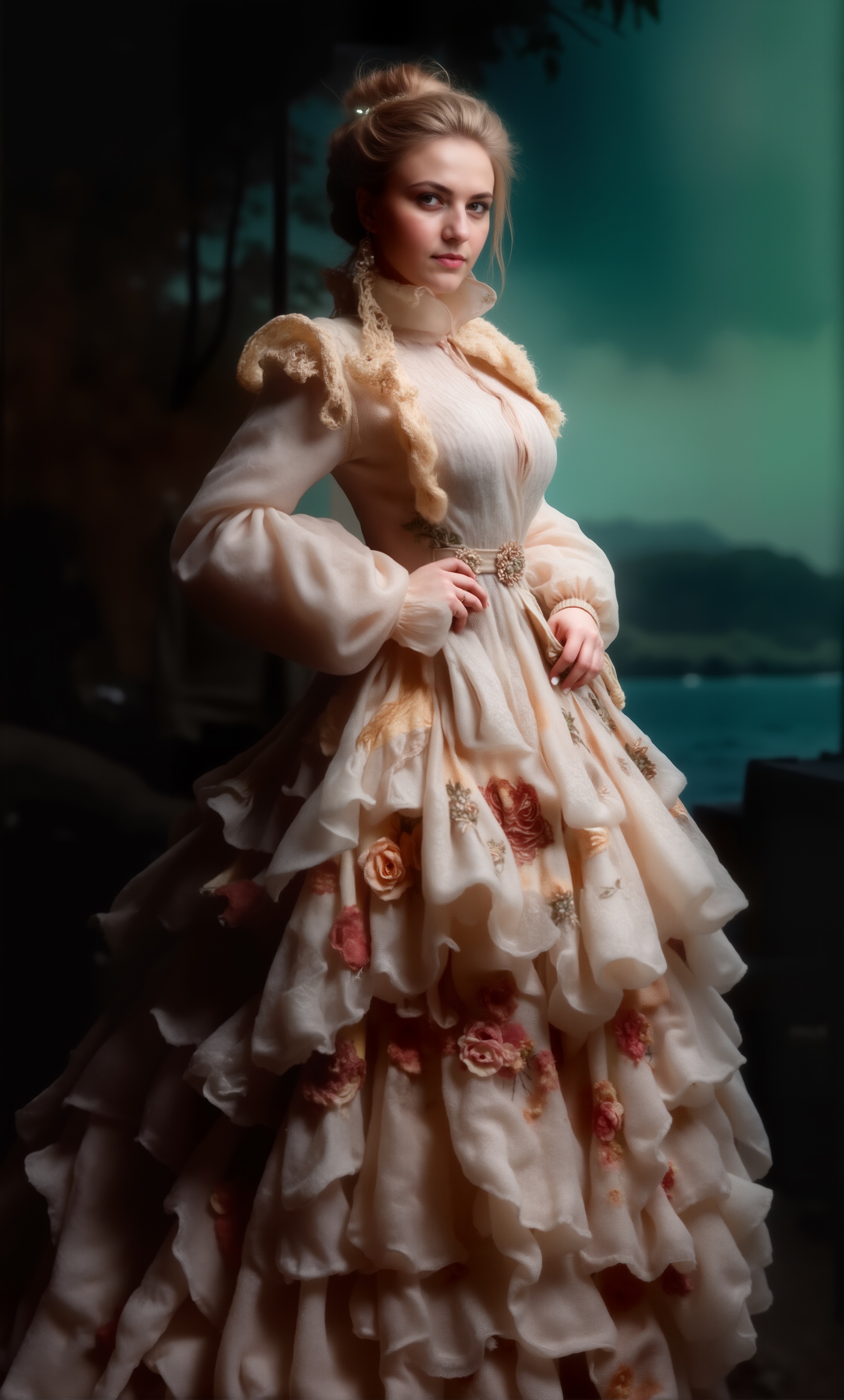
[26-01-21]
Tightened draft (light-touch edit, your structure preserved)
Three months didn’t announce itself with fireworks.
It announced itself with habits.
The hook Charli used without thinking. The way he reached for the tape measure before someone asked. The way the room no longer paused when he stepped into it—because he belonged there now, as naturally as the kettle, as naturally as Mara’s shears.
And the laugh.
That was what I clocked first.
Not a loud laugh. Not attention-seeking. Just… present. A quiet, honest sound that appeared and stayed, instead of flickering the way it used to: there for a second, then gone, as if he’d remembered he wasn’t supposed to take up joy.
I was on the floor more—not because I was avoiding the bureaucratic work, but because the floor was where the truth was. The ledger might record outcomes, but the worktables told you what was actually happening to people.
Charli was at the long table in his chemise again. The new one. The one she had designed. I remembered the earlier versions: too stiff in the shoulder, too cautious in the gusset, as if he’d been trying to build a garment that wouldn’t offend anyone rather than one that would function. This one looked like a real thing a real woman would wear under a real day.
It sat properly. It moved properly.
Mara had him in stays over the chemise, checking stress points with the hard patience she reserved for anything worth doing well. Charli lifted his arms, turned, bent, reached—movement tests that used to make him tense, as if any attention to his body was dangerous. Now he did it like it was simply part of the job.
That was the other thing I noticed. He used to move like he expected to be corrected.
Now he moved like he expected to be guided.
It was a subtle difference, but it changed everything.
Tahlia circled him with a tape measure, efficient—almost affectionate, in the way competence can be affectionate. Lucy watched from her station with that same expression she always had: mild contempt for the universe, absolute loyalty to the work.
Sarah was perched somewhere she shouldn’t have been perched, commenting on everything like the room belonged to her (which it did).
The Faire girls drifted in and out. They always did now. Wardrobe had become a kind of backstage sanctuary for them—where the chatter was sharp and safe, where nobody was trying to impress a man, where “pretty” was a tool and not a trap.
They talked around Charli as if he’d always been there—part of them.
That was what kept catching me: not the deliberate acts of inclusion, but the lack of hesitation. The way a woman would include another woman without thinking, because inclusion was the default in a women’s room unless you’d proven yourself unsafe. Charli hadn’t shown himself to be unsafe; he’d proven the opposite.
One of the actresses—Bree, bright-eyed and taller than she realised—leaned against the table.
“She’s got better posture than me. It’s rude.”
Charli’s face flushed quickly, and he smiled.
And he didn’t correct her.
No glance to see who heard. No hurried, awkward laugh to undo it. No stiff little “Actually—” Just a smile, as if the word wasn’t a threat but a hand offered palm-up.
That should not have mattered as much as it did.
My mind tried to do what it had always done: catalogue, interpret, keep the system coherent.
But this wasn’t a ledger problem. It was a people problem.
And on the floor, people problems resolved themselves socially long before the “official” minds could catch up.
Lucy muttered something about seam allowances. Sarah said, loud enough for everyone, “Don’t fuss her—she’s not a delicate flower. She’s Celeste’s wife.”
It was meant as a joke. Of course it was. Sarah’s jokes always were… and yet, weren’t.
Charli went pink, but it was a different pink than before—less flustered, more… bashful. Like embarrassment had stopped being humiliation and started being proof he was being seen.
Tahlia laughed. “She is, though.”
“Functionally,” Lucy added, as if she was delivering a verdict on a hem. “She does the wife work. You don’t mind, do you, love?”
Sarah’s eyes flicked to me. The smallest lift of brow. See? she said without words. We’ve been living here for months.
Charli’s mouth opened, closed. For a second I thought he would deny it.
Instead he said, softly, “I don’t mind.”
It was the same phrase I’d heard him use before, but it didn’t sound like surrender. It sounded like acceptance—like relief. And that was when I noticed the physical shift, the one I’d somehow been blind to.
It wasn’t dramatic. It wasn’t “transformation” in the comic-book sense. It was the slow, plausible accumulation of months: how the chemise sat a little differently at the chest than it did before. How the stays, designed to frame and support, revealed a little more fullness than I would have expected from the earlier fittings.
Not obscene. Not pronounced in a way you could point at.
Just… there.
A softness that read as body-truth, not costume.
And it made something in me click—not in alarm, but in understanding: whatever Charli had been fighting in himself before, that frantic edge, that brittle defensiveness… it was quieter now.
She looked like someone who had stopped waking up at war with her own reflection.
I watched her laugh at something Bree said—something silly about rehearsal tantrums—and the laugh reached her eyes. She looked younger when she laughed, lighter. Like she’d finally been allowed to enjoy the room instead of merely survive it.
I realised, with a small internal jolt, that I’d assumed her “settling” at Celeste’s would have looked like… accommodation. Like compromise. Like learning to endure.
This was not endurance.
This was blossoming.
And not in the direction I would have guessed, if you’d asked me three months ago.
The room had not trained Charli into anything. The room had simply treated her as what it recognised: safe. kin. ours. And Charli had responded the way people respond to safety: she had softened into herself.
Celeste appeared at the edge of the floor—briefly, like a tide checking the shoreline. She watched Charli move in the stays, listened to the chatter, and I could see the approval in her face even before she spoke. She was pleased the garments were behaving. Pleased the workflow was behaving.
Pleased—though she wouldn’t call it that—that Charli was laughing.
Then the words landed near Celeste, loud enough that she couldn’t miss them.
“She needs the smaller pins.” “Tell her I’ve got the tape.” “She’s coming tonight, right?”
And there was a micro-pause in Celeste’s posture: not outrage, not surprise exactly—more like the moment someone realised the room had been living in a reality she hadn’t officially named.
I saw it happen in her face: the recalculation. The internal acceptance.
She didn’t correct them.
Of course she didn’t.
Celeste wasn’t sentimental, and she wasn’t cruel either. She understood what it would cost to reopen the question when the room had already answered it with warmth.
Charli glanced at Celeste—quickly, like she was checking if she was in trouble.
She wasn’t.
Celeste said something practical about the line of the stays. She adjusted a lace end with careful hands. And she let the words stand.
The moment passed.
But it left something behind.
Later, when the room shifted and people drifted back to their stations, Charli came toward me to return a tool—a needle case—hands cupped around it like she was carrying something delicate.
She looked up at me, and her expression was open in a way it never used to be.
“Mum,” she said quietly. “You… you don’t mind… do you? The girls… you know.”
The girls saying she. The whole drift of language that had become real without ever being formalised.
I studied her for a moment. Not to judge—just to understand what she was asking for.
She wasn’t asking permission. She was asking whether I would be another woman who kept the door open.
Something deep in me tightened… and then, slowly, released. Responsibility, settling into place.
“I don’t mind,” I said, borrowing her own language, but letting it mean what it should have always meant: You’re safe. I’m here.
Charli’s shoulders dropped the tiniest bit, relief easing into her smile.
“Thank you, mum,” she murmured.
As she turned to go, I noticed the faintest thing about her—nothing I could name, nothing I could prove. Had she always smelled like that? I only had a sense she was carrying a private solution to something, some quiet decision that had made her calmer. Her smile was brighter, but there was still a carefulness around it, as if she was protecting it. As if she was terrified something might take it away.
I watched her rejoin the group—Tahlia nudging her shoulder, Bree waving her into the conversation, Lucy making a dry remark that somehow counted as affection—and I understood, suddenly, what was really at stake.
This wasn’t about pronouns. It was about belonging.
And Charli had tied her happiness to it in a way that made her both luminous… and vulnerable. I didn’t know what she had done to keep that belonging safe inside her own body. But I had the uncomfortable certainty that one day soon, we would find out.
And when we did, we wouldn’t get to treat it as a simple problem.
It would be a person.
It would be her.
If you want one optional extra punch (no need, but it’s powerful), you can add a single half-sentence right after “The girls saying she.” like: As if it had been true for ages. It subtly underlines the social inevitability without over-explaining.
Otherwise: this is ready. The hinge is crisp, the foreshadow is perfect, and the sisterhood tone is exactly what you set out to achieve.
Scene 29
“Not the Direction I Expected”

[ To Publish ]
Follow-on Scene — “Not the Direction I Expected” (Lauren POV)
Not the Direction I Expected [Lauren]
Three months didn’t announce itself with fireworks.
It announced itself with habits.
The hook Charli used without thinking. The way he reached for the tape measure before someone asked. The way the room no longer pauses when he stepped into it, because he belongs there now, as naturally as the kettle, as naturally as Mara’s shears.
And the laugh.
That is what I noticed first.
Not a loud laugh. Not attention-seeking. Just... present. A quiet, honest sound that appeared and stayed, instead of flickering like it used to: there for a second, then gone, as if he’d remembered he wasn’t supposed to take up joy.
I was on the floor more, not because I was avoiding the bureaucratic work, but because the floor was where the truth was. The ledger might have recorded outcomes, but the worktables told you what was actually happening with people.
Charli was at the long table in his chemise again: the new one, the one he had designed. I could remember the earlier versions: too stiff in the shoulder, too cautious in the gusset, as if he had been trying to build a garment that wouldn’t offend anyone rather than one that would function. This one looked like a real garment a real woman would wear under a real day.
It sat properly. It moved properly.
Mara had him in stays over the chemise, checking stress points with the hard patience she reserved for anything worth doing well. Charli lifted his arms, turned, bent, reached: movement tests that used to make him tense, as if any attention to his body was dangerous. Now he did it like it was simply part of the job.
That was the other thing I noticed. He used to move like he expected to be corrected.
Now he moved like he expected to be guided.
It was a subtle difference, but it changed things.
Tahlia circled him with a tape measure, efficient, almost affectionate in the way competence can be affectionate. Lucy watched from her station with that same expression she always had: mild contempt for the universe, absolute loyalty to the work. Sarah was perched somewhere she shouldn’t be perched, commenting on everything like the room belongs to her (which, it did).
The Faire girls drifted in and out. They always did now. Wardrobe had become a kind of backstage sanctuary for them, where the chatter was sharp and safe, where nobody was trying to impress a man, where “pretty” was a tool and not a trap.
They talked around Charli as if he had always been there, part of them.
That was what kept catching me off-guard: not the deliberate acts of inclusion, but the lack of hesitation. The way a woman would include another woman without thinking, because inclusion was the default in a women’s room unless they think you are unsafe. They sensed Charli wasn’t unsafe: he had proven the opposite.
One of the actresses—Bree, bright-eyed and taller than she realised—leaned against the table.
“She’s got better posture than me. It’s rude.”
Charli’s face flushed quickly, and he smiled.
And he didn’t correct her. No glance to see who heard or hurried, awkward laugh to undo it. No stiff little “actually—”... just a smile, as if the word was not a threat but a hand offered, palm-up. That should not have mattered as much as it did.
I felt my own mind trying to do what it has always done: catalogue, interpret, keep the system coherent. But this wasn’t a ledger problem.
It was a people problem.
And on the floor, people problems resolved themselves socially long before the “official” minds could catch up.
Lucy muttered something about seam allowances. Sarah said, loud enough for everyone, “Oh, don’t fuss her, she’s not a delicate flower: she’s Celeste’s wife.”
Was it meant as a joke? Sarah’s jokes were always her having a go... and yet, they really weren’t jokes, all at the same time.
Charli went pink, but it’s a different pink than before: less flustered, more... bashful, like embarrassment wasn't humiliation at all but rather proof he was being seen.
Tahlia laughed. “Yes, she is too, isn't she, though.”
“Totally,” Lucy added, as if she was delivering a verdict on a hem. “She does all the wife work." She cocked her head at Charli. "You don't mind us saying that, do you, love?”
Charli’s mouth opened, closed. For a second I thought he would deny it.
Instead he said, softly, “I don’t mind.”
It was the same phrase I’ve heard him use before, but it didn’t sound like surrender. It sounded like acceptance, like relief.
Sarah’s eyes flicked to me. The smallest lift of brow. See? she said without words. We’ve been living here for months.
That was when I noticed the physical shift, one I had been blind to.
It wasn’t dramatic. It wasn’t “transformation” in the comic-book sense. It was the slow, plausible accumulation of months: the chemise sat a little differently now at the chest than it did before. The stays, designed to frame and support, revealed a little more fullness than I remember noticing during earlier fittings.
Not prominent or conspicuous: just... there.
A slight soft roundness that read as corporeality, not costume enhancements.
I could sense something in me switching on lights: whatever Charli had been fighting in himself before, that desperate edge under the surface, that hyper-sensitive defence mechanism... it was quieter now.
Not quite serenity, but calmer. Happier.
A lightness of being that was new to Charli, new to:
Her.
She looked like someone who no longer woke in conflict with her own reflection.
I watched her laugh at something Bree said—something silly about rehearsal tantrums—and the laugh reached her eyes. She looked younger when she laughed, buoyant. Like she’d finally been allowed to enjoy instead of merely survive.
I realised, with a small internal jolt, that I had assumed her “settling” at Celeste's would have looked like... accommodation. Like adapting. Like learning to endure.
This was not endurance.
This was blossoming.
And not in the direction I would have guessed, if you’d asked me three months ago.
The room had not “trained” Charli into anything. The room had simply treated her as what it recognised: safe. kin. ours. And Charli had responded the way people respond to acceptance: she had softened into herself.
Celeste appeared at the edge of the floor: briefly, like a tide checking the shoreline. She watched Charli move in the stays, listened to the chatter, and I could see the approval in her face even before she spoke. She was pleased the garments were behaving. Pleased the workflow was behaving.
Her eyes reflected her enjoyment of watching Charli laugh.
And then, the words landed near Celeste, loud enough that she couldn’t miss them.
“She needs the smaller pins.” “Tell her I’ve got the tape.” “She’s coming tonight, right?”
There was a micro-pause in Celeste’s posture: not outrage or shock: more like the moment someone realised the room had been living in a reality she hadn’t had a hand in officially participating. I could see it happening in her face: the recalculation. The internal dialogue:
'He didn’t correct them.' No, that wasn't it. 'She... didn't.' Of course she didn’t.
And neither would Celeste. She wasn’t sentimental, and she wasn’t cruel, either. She understood what it would cost to reopen the question when the room had already answered it with warmth.
Charli glanced at Celeste—quickly, like she was checking if she was in trouble.
She wasn’t.
Celeste said something practical about the line of the stays. She adjusted a lace end with careful hands. And she let the words stand.
The moment passed.
But it left something behind.
Later, when the room shifted and people drifted back to their stations, Charli came toward me to return a tool—a needle case—hands cupped around it like she was carrying something delicate.
She looked up at me, and her expression was open in a way it never used to be.
“Mum,” she said quietly. “You... you don’t mind... do you? The girls... you know.”
The girls saying she. The whole drift of language that had become real without ever being formalised.
I studied her for a moment. Not to judge—just to understand what she was asking for.
She wasn’t asking permission. She was asking whether I would be another woman who kept the door open.
Something deep in me tightened... and then, slowly, released. Responsibility, settling into place.
“I don’t mind,” I said, borrowing her own language, but letting it mean what it should have always meant: You’re safe. I’m here.
Charli’s shoulders dropped the tiniest bit, relief easing into her smile.
“Thank you, mum,” she murmured.
As she turned to go, I noticed the faintest thing about her—nothing I could name, nothing I could prove. Had she always smelled like that? I only had a sense she was carrying a private solution to something, some quiet decision that had made her calmer. Her smile was brighter, but there was still a carefulness around it, as if she was protecting it. As if she was terrified something might take it away.
I watched her rejoin the group—Tahlia nudging her shoulder, Bree waving her into the conversation, Lucy making a dry remark that somehow counted as affection—and I understood, suddenly, what was really at stake.
This wasn’t about pronouns. It was about belonging.
And Charli had tied her happiness to it in a way that made her both luminous... and vulnerable. I didn’t know what she had done to keep that belonging safe inside her own body. But I had the uncomfortable certainty that one day soon, we would find out.
And when we did, we wouldn’t get to treat it as a simple problem.
It would be a person.
It would be her.
Follow-on Scene — “Not the Direction I Expected” (Lauren POV)
[Emily]
Yes — and you’ve done the hard part: the emotional spine is already there, and the pronoun “hinge” lands cleanly (that bold She is doing real work).
What I’ll do below is “tighten where necessary” in the way you asked: fix tense slips, a couple of grammar bumps, remove one or two “note-to-reader” lines, and smooth a few repetitions — without changing your voice or structure. I’ll also keep your he → She pivot exactly where you placed it.
Main tighten points (so you can see what I touched)
- “The ledger might have record outcomes” → might record
- “Charli was at the long table in his chemise... The one she had designed.” → keep but smooth the pronoun whiplash by tightening the sentence and anchoring Lauren’s perception (“he” as default, “she designed” as factual craft credit).
- A couple of “has/had” tense slips (“I’ve heard him” → I’d heard him etc.)
- “Charli hasn’t shown himself” → Charli hadn’t shown himself
- “Not obscene nor pronounced” → Not obscene, not pronounced
- “She does do the wife work” → less clunky: She does the wife work
- A few places where you repeat “noticed” close together — swapped one to “clocked”/“realised” without changing tone.
- “The girls saying she.” → italicise she or quote it for clarity.
--✨ --- ✨--
Scene 29
“Not the Direction I Expected”
Tightened draft (light-touch edit, your structure preserved)
✨ Not the Direction I Expected ✨ [Lauren]
Three months didn’t announce itself with fireworks: it announced itself with habits. The hook Charli used without thinking. The way he reached for the tape measure before someone asked. The way the room no longer paused when he stepped into it... because he belonged there now, as naturally as the kettle, as naturally as Mara’s shears.
And the laugh.
That was what I clocked first.
Not a loud laugh. Not attention-seeking. Just... present. A quiet, honest sound that appeared and stayed, instead of flickering the way it used to: there for a second, then gone, as if he’d remembered he wasn’t supposed to take up joy.
I was on the floor more: not because I was avoiding the bureaucratic work, but because the floor was where the truth was. The ledger might record outcomes, but the worktables told you what was actually happening to people.
Charli was at the long table in his chemise again: the new one, the one he had designed. I remembered the earlier versions: too stiff in the shoulder, too cautious in the gusset, as if he’d been trying to build a garment that wouldn’t offend anyone rather than one that would function. This one looked like a real thing a real woman would wear under a real day.
It sat properly. It moved properly.
Mara had him in stays over the chemise, checking stress points with the hard patience she reserved for anything worth doing well. Charli lifted his arms, turned, bent, reached—movement tests that used to make him tense, as if any attention to his body was dangerous. Now he did it like it was simply part of the job.
That was the other thing I noticed. He used to move like he expected to be corrected.
Now he moved like he expected to be guided.
It was a subtle difference, but it changed everything.
Tahlia circled him with a tape measure, efficiently, almost affectionately, in the way competence can be affectionate. Lucy watched from her station with that same expression she always had: mild contempt for the universe, absolute loyalty to the work.
Sarah was perched somewhere she shouldn’t have been perched, commenting on everything like the room belonged to her (which it did).
The Faire girls drifted in and out. They always did now. Wardrobe had become a kind of backstage sanctuary for them, where the chatter was sharp and safe, where nobody was trying to impress a man, where “pretty” was a tool and not a trap.
They talked around Charli as if he’d always been there, part of them.
That was what kept catching me: not the deliberate acts of inclusion, but the lack of hesitation. The way a woman would include another woman without thinking, because inclusion was the default in a women’s room unless you’d proven yourself unsafe. Charli hadn’t shown himself to be unsafe; he’d proven the opposite.
One of the actresses—Bree, bright-eyed and taller than she realised—leaned against the table.
“She’s got better posture than me. It’s rude.”
Charli’s face flushed quickly, and he smiled.
And he didn’t correct her.
No glance to see who heard. No hurried, awkward laugh to undo it. No stiff little “Actually—” Just a smile, as if the word wasn’t a threat but a hand offered palm-up.
That should not have mattered as much as it did.
My mind tried to do what it had always done: catalogue, interpret, keep the system coherent.
But this wasn’t a ledger problem. It was a people problem.
And on the floor, people problems resolved themselves socially long before the “official” minds could catch up.
Lucy muttered something about seam allowances. Sarah said, loud enough for everyone, “Don’t fuss her—she’s not a delicate flower. She’s Celeste’s wife.”
It was meant as a joke. Of course it was. Sarah’s jokes always were... and yet, weren’t.
Charli went pink, but it was a different pink than before—less flustered, more... bashful. Like embarrassment had stopped being humiliation and started being proof he was being seen.
Tahlia laughed. “She is, though.”
“Functionally,” Lucy added, as if she was delivering a verdict on a hem. “She does the wife work. You don’t mind, do you, love?”
Sarah’s eyes flicked to me. The smallest lift of brow. See? she said without words. We’ve been living here for months.
Charli’s mouth opened, closed. For a second I thought he would deny it.
Instead he said, softly, “I don’t mind.”
It was the same phrase I’d heard him use before, but it didn’t sound like surrender. It sounded like acceptance—like relief. And that was when I noticed the physical shift, the one I’d somehow been blind to.
It wasn’t dramatic. It wasn’t “transformation” in the comic-book sense. It was the slow, plausible accumulation of months: how the chemise sat a little differently at the chest than it did before. How the stays, designed to frame and support, revealed a little more fullness than I would have expected from the earlier fittings.
Not obscene. Not pronounced in a way you could point at.
Just... there.
A softness that read as body-truth, not costume.
And it made something in me click—not in alarm, but in understanding: whatever Charli had been fighting in himself before, that frantic edge, that brittle defensiveness... it was quieter now.
She looked like someone who had stopped waking up at war with her own reflection.
I watched her laugh at something Bree said—something silly about rehearsal tantrums—and the laugh reached her eyes. She looked younger when she laughed, lighter. Like she’d finally been allowed to enjoy the room instead of merely survive it.
I realised, with a small internal jolt, that I’d assumed her “settling” at Celeste’s would have looked like... accommodation. Like compromise. Like learning to endure.
This was not endurance.
This was blossoming.
And not in the direction I would have guessed, if you’d asked me three months ago.
The room had not trained Charli into anything. The room had simply treated her as what it recognised: safe. kin. ours. And Charli had responded the way people respond to safety: she had softened into herself.
Celeste appeared at the edge of the floor—briefly, like a tide checking the shoreline. She watched Charli move in the stays, listened to the chatter, and I could see the approval in her face even before she spoke. She was pleased the garments were behaving. Pleased the workflow was behaving.
Pleased—though she wouldn’t call it that—that Charli was laughing.
Then the words landed near Celeste, loud enough that she couldn’t miss them.
“She needs the smaller pins.” “Tell her I’ve got the tape.” “She’s coming tonight, right?”
And there was a micro-pause in Celeste’s posture: not outrage, not surprise exactly—more like the moment someone realised the room had been living in a reality she hadn’t officially named.
I saw it happen in her face: the recalculation. The internal acceptance.
She didn’t correct them.
Of course she didn’t.
Celeste wasn’t sentimental, and she wasn’t cruel either. She understood what it would cost to reopen the question when the room had already answered it with warmth.
Charli glanced at Celeste quickly, like she was checking if she was in trouble.
She wasn’t.
Celeste said something practical about the line of the stays. She adjusted a lace end with careful hands. And she let the words stand.
The moment passed, but it left something behind.
Later, when the room shifted and people drifted back to their stations, Charli came toward me to return a tool, a needle case, hands cupped around it like she was carrying something delicate. She looked up at me, and her expression was open in a way it never used to be.
“Mum,” she said quietly. “You... you don’t mind... do you? The girls... you know.”
The girls saying she, the whole drift of language that had become real without ever being formalised. I studied her for a moment: not to judge but to understand what she was asking for. She wasn’t asking permission. She was asking whether I would be another woman who kept the door open. Something deep in me tightened... and then, slowly, released. Responsibility, settling into place.
“I don’t mind,” I said, borrowing her own language, but letting it mean what it should have always meant: You’re safe. I’m here. Charli’s shoulders dropped the tiniest bit, relief easing into her smile.
“Thank you, mum,” she murmured.
As she turned to go, I noticed the faintest difference about her. It was nothing I could outright name, let alone prove. Was it her scent... had she always smelled like that? I only had a sense she was carrying a private solution to something, some quiet decision that had made her calmer. Her smile was brighter, but there was still a carefulness around it, as if she was protecting it. As if she was terrified something might take it away.
I watched her rejoin the group—Tahlia nudging her shoulder, Bree waving her into the conversation, Lucy making a dry remark that somehow counted as affection—and I understood, suddenly, what was really at stake.
This wasn’t about pronouns. It was about belonging.
And Charli had tied her happiness to it in a way that made her both luminous... and vulnerable. I didn’t know what she had done to keep that belonging safe inside her own body. I had the uncomfortable certainty that one day soon, we would find out, and when we did, we wouldn’t get to treat it as a simple problem: it would be a person.
It would be her.
--✨ smsmsm ✨--
Scene 29
“Not the Direction I Expected”
[ Published 23-Jan-20206 ]
Three months didn’t announce itself with fireworks, but announced itself with habits. The hook Charli used without thinking. The way he reached for the tape measure before someone asked. The way the room no longer paused when he stepped into it, because he belonged there now, as naturally as the kettle, as naturally as Mara’s shears.
And the laugh.
That is what I noticed first.
Not a loud laugh. Not attention-seeking. Just... present. A quiet, honest sound that appeared and stayed, instead of flickering like it used to: there for a second, then gone, as if he’d remembered he wasn’t supposed to take up joy.
I was on the floor more, not because I was avoiding the bureaucratic work, but because the floor was where the truth was. The ledger might have recorded outcomes, but the worktables told you what was actually happening with people.
Charli was at the long table in his chemise again: the new one, the one he had designed. I could remember the earlier versions: too stiff in the shoulder, too cautious in the gusset, as if he had been trying to build a garment that wouldn’t offend anyone rather than one that would function. This one looked like a real garment a real woman would wear under a real day.
It sat properly. It moved properly.
Mara had him in stays over the chemise, checking stress points with the hard patience she reserved for anything worth doing well. Charli lifted his arms, turned, bent, reached: movement tests that used to make him tense, as if any attention to his body was dangerous. Now he did it like it was simply part of the job. And that was the other thing I noticed.
He used to move like he expected to be corrected.
Now he moved like he expected to be guided.
It was a subtle difference, but it changed things.
Tahlia circled him with a tape measure, efficiently, almost affectionate in the way competence can be affectionate. Lucy watched from her station with that same expression she always had: mild contempt for the universe, absolute loyalty to the work. Sarah was perched somewhere she shouldn’t be perched, commenting on everything like the room belonged to her, which... it did.
The Faire girls drifted in and out. They always did now. Wardrobe had become a kind of backstage sanctuary for them, where the chatter was sharp and safe, where nobody was trying to impress a man, where “pretty” was a tool and not a trap.
They talked around Charli as if he had always been there, part of them.
That was what kept catching me off-guard: not the deliberate acts of inclusion, but the lack of hesitation. The way a woman would include another woman without thinking, because inclusion was the default in a women’s room unless they think you are unsafe. They sensed Charli wasn’t unsafe: he had proven the opposite.
One of the actresses—Bree, bright-eyed and taller than she realised—leaned against the table.
“She looks like a proper actress!”
Charli’s face flushed quickly, and he smiled and didn’t correct her. No glance to see who heard or hurried, awkward laugh to undo it. No stiff little “actually—”... just a smile, as if the word was not a threat but a hand offered, palm-up.
That should not have mattered as much as it did. I felt my own mind trying to do what it has always done: catalogue, interpret, keep the system coherent. But this wasn’t a ledger problem.
It was a people problem.
And on the floor, people problems resolved themselves socially long before the “official” minds could catch up.
Lucy muttered something about seam allowances. Sarah said, loud enough for everyone, “Oh, don’t fuss her, she’s not a delicate flower: she’s Celeste’s wife.”
Was it meant as a joke? Sarah’s jokes were always her having a go... and yet, they weren’t jokes, not really.
Charli went pink, but it was a different pink than before: less flustered, more... bashful, like embarrassment wasn't humiliation at all but rather proof he was being seen.
Tahlia laughed. “Yes, she is too, isn't she, though.”
“Totally,” Lucy added, as if she was delivering a verdict on a hem. “She does all the wife work." She cocked her head at Charli. "You don't mind us saying that, do you, love?”
Charli’s mouth opened, closed. For a second I thought he would deny it. Instead he said, softly,
“I don’t mind.”
It was the same phrase I’ve heard him use before, but it didn’t sound like surrender. It sounded like acceptance, like relief.
Sarah’s eyes flicked to me. The smallest lift of brow. See? she said without words. We’ve been living here for months.
That was when I noticed the physical shift, one I had been blind to.
It wasn’t dramatic. It wasn’t “transformation” in the comic-book sense. It was the slow, plausible accumulation of months: the chemise sat a little differently now at the chest than it did before. The stays, designed to frame and support, revealed a little more fullness than I remember noticing during earlier fittings.
Not prominent or conspicuous: just... there.
A slight soft roundness that read as corporeality, not costume enhancements.
I could sense something in me switching on lights: whatever Charli had been fighting in himself before, that desperate edge under the surface, that hyper-sensitive defence mechanism... it was quieter now.
Not quite serenity, but calmer. Happier.
A lightness of being that was new to Charli, new to:
Her.
She looked like someone who no longer woke in conflict with her own reflection.
I watched her laugh at something Bree said—something silly about rehearsal tantrums—and the laugh reached her eyes. She looked younger when she laughed, buoyant. Like she’d finally been allowed to enjoy instead of merely survive.
I realised, with a small internal jolt, that I had assumed her “settling” at Celeste's would have looked like... accommodation. Like adapting. Like learning to endure. But this was not endurance.
This was blossoming.
And not in the direction I would have guessed, if you’d asked me three months ago.
The room had not “trained” Charli into anything. The room had simply treated her as what it recognised: safe. kin. ours. And Charli had responded the way people respond to acceptance: she had softened into herself.
Celeste appeared at the edge of the floor: briefly, like a tide checking the shoreline. She watched Charli move in the stays, listened to the chatter, and I could see the approval in her face even before she spoke. She was pleased the garments were behaving. Pleased the workflow was behaving.
Her eyes reflected her enjoyment of watching Charli laugh.
And then, the words landed near Celeste, loud enough that she couldn’t miss them.
“She needs the smaller pins.” “Tell her I’ve got the tape.” “She’s coming tonight, right?”
There was a micro-pause in Celeste’s posture: not outrage or shock: more like the moment someone realised the room had been living in a reality she hadn’t been participating in. I could see it in her face: the recalculation. The internal dialogue:
'He didn’t correct them. No, that wasn't it. She ... didn't. Of course she didn’t.'
I realised: neither would Celeste. She wasn’t sentimental, and she wasn’t cruel, either. She understood what it would cost to reopen a question the room had already decided with warmth.
Charli glanced at Celeste quickly, like she was checking if she was in trouble.
She wasn’t.
Celeste said something practical about the line of the stays. She adjusted a lace end with careful hands. And she let the words stand.
The moment passed.
But it left something behind.
Later, when the room shifted and people drifted back to their stations, Charli came toward me to return a tool, a needle case, hands cupped around it like she was carrying something delicate. She looked up at me, and her expression was open in a way it never used to be.
“Mum,” she said quietly. “You... you don’t mind... do you? The girls... you know.”
The girls saying 'she'. The whole drift of language that had become real without ever being formalised. I studied her for a moment, not to judge, but to understand what she was asking for. She wasn’t asking permission. She was asking whether I would be another woman who kept the door open.
Something deep in me tightened... and then, slowly, released. Responsibility, settling into place.
“I don’t mind,” I said, borrowing her own language, but letting it mean what it should have always meant: You’re safe. I’m here. Charli’s shoulders dropped the tiniest bit, relief easing into her smile.
“Thank you, mum,” she murmured.
As she turned to go, I noticed the faintest difference about her. It was nothing I could outright name, let alone prove. Was it her scent... had she always smelled like that? I only had a sense she was carrying a private solution to something, some quiet decision that had made her calmer. Her smile was brighter, but there was still a carefulness around it, as if she was protecting it. As if she was terrified something might take it away.
I watched her rejoin the group—Tahlia nudging her shoulder, Bree waving her into the conversation, Lucy making a dry remark that somehow counted as affection—and I understood, suddenly, what was really at stake.
This wasn’t about pronouns. It was about belonging.
And Charli had tied her happiness to it in a way that made her both luminous... and vulnerable. I didn’t know what she had done to keep that belonging safe inside her own body. I had the uncomfortable certainty that one day soon, we would find out, and when we did, we wouldn’t get to treat it as a simple problem: it would be a person.
It would be her.