Emotions 101

😄🧵💛👭 💞 🖤 🍓 🌶 🚪 🔑 🛋 👗 👚 👜 👠 🩰 💄 💞 💖 ❤️ 💋 🎻 📒 🩸 💧 🚺 ❤️ 🫧 🌩 🌧 🧵 🪡 —
Emotions Overview
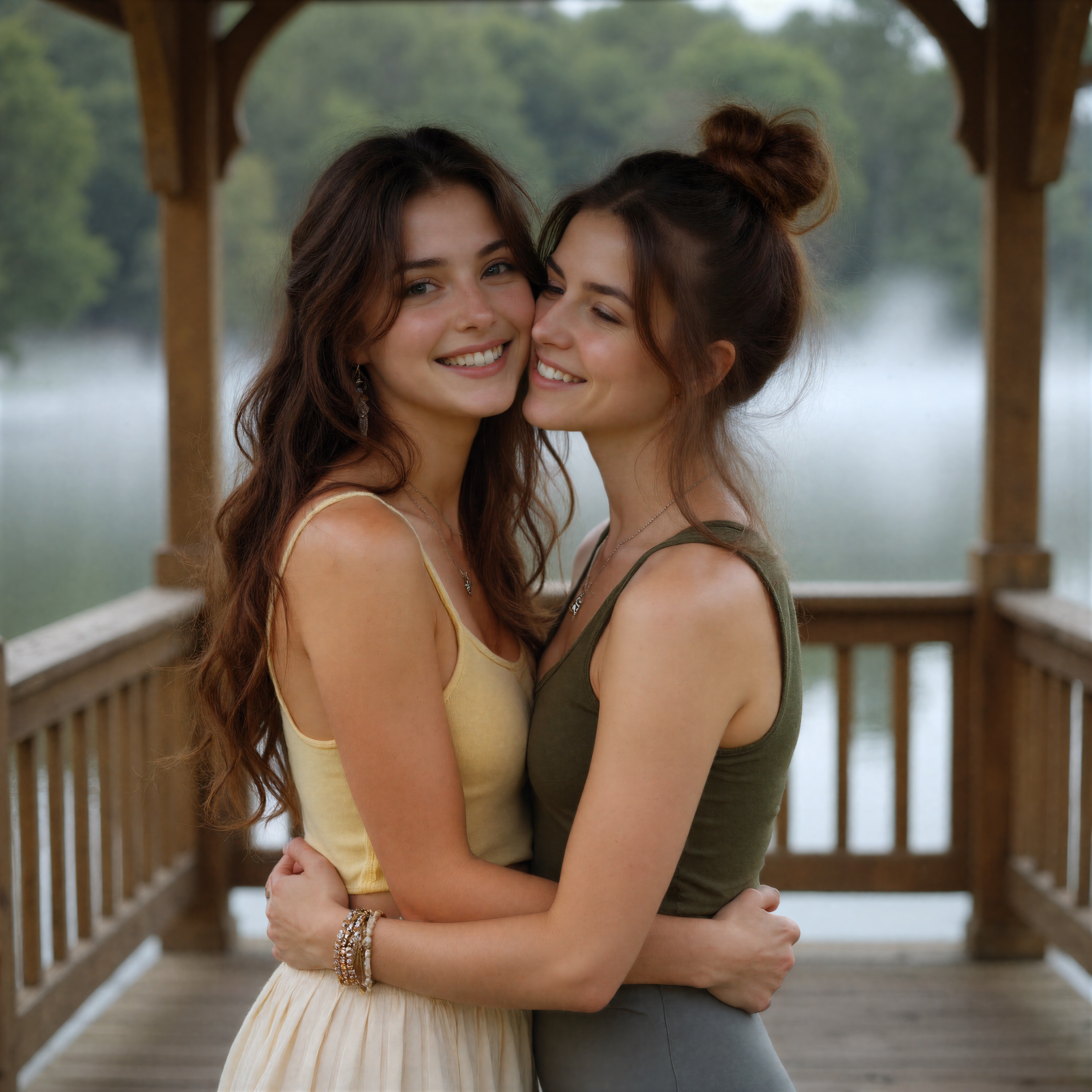
Oh, that is not a massive favour at all — that is an excellent idea 🌿. And yes, I can see exactly where the problem begins. You start with something concrete:
Her mouth curved pleasantly.
Then drift toward interpretation:
Delight reigned in her regard. The curve of her lips said inner warmth.
That drift is very common. It happens because once we leave the body, we start reaching for summary-language instead of observable behaviour. So the trick is:
stay with what the body does
before
stating what the feeling means
Below is a working glossary built for exactly that purpose: emotion → physical tells → ready-to-use phrasing. I’ve aimed for phrases that are:
- sensory
- simple
- flexible
- not over-poetic
- usable in close POV
I’ll also show you where the line starts tipping into “thesis” or abstraction. Here is a practical emotion glossary.
1. Happiness

Happiness / pleasure / ease
Common physical tells
- mouth softens or curves
- eyes brighten
- shoulders loosen
- breath eases
- posture opens
- movements grow lighter
- voice warms
- a person lingers rather than rushes
Usable phrasing
- Her mouth curved.
- The corners of her lips lifted.
- Her face softened.
- Warmth came into her eyes.
- Her eyes caught the light.
- Her shoulders dropped a fraction.
- She let out a small breath and smiled.
- Something light moved through her face.
- Her expression opened.
- She looked suddenly younger.
- A private smile touched her mouth.
- Her voice came back lighter.
- She turned to me with easy warmth.
- Her whole face gentled.
- She looked pleased in a quiet, settled way.
Slightly more textured
- The smile reached her eyes.
- Her mouth twitched, then gave in to it.
- Lightness stole across her face.
- Her gaze settled on me with unmistakable warmth.
- She held herself differently after that — looser, easier.
Avoid drifting into
- She wore a happy smile.
- Joy shone in her regard.
- Her lips said happiness.
Those aren’t wrong, exactly, but they step away from the body.
2. Delight / amusement

Common physical tells
- quick grin
- mouth quirks
- eyes crinkle
- brief laugh or huff
- chin dips
- shoulders bounce lightly
- glance darts away and back
Usable phrasing
- Her mouth quirked.
- A grin tugged at her lips.
- She fought a smile and lost.
- Her eyes crinkled.
- She let out a short laugh.
- A laugh escaped her.
- Her mouth tipped sideways.
- She ducked her head, smiling.
- Amusement flickered across her face.
- She looked at me like I’d just handed her something entertaining.
- Her face lit with mischief.
- The laugh stayed in her eyes even after her mouth settled.
Dryer / subtler
- One corner of her mouth lifted.
- Her expression sharpened with amusement.
- She looked briefly entertained.
- Something wry passed over her face.
3. Relief

Common physical tells
- exhale
- shoulders drop
- spine loosens
- tension leaves jaw/hands
- eyes close briefly
- hand to chest/forehead
- person leans or sits after bracing
Usable phrasing
- She let out a breath.
- Her shoulders dropped.
- The tension went out of her face.
- Her mouth parted on a long exhale.
- She closed her eyes for a beat.
- Her hand came briefly to her chest.
- She sagged back into the chair.
- Some tightness left her.
- Her jaw loosened.
- She looked as though she’d been holding herself together until that moment.
- Her next breath came easier.
- She steadied, all at once.
- The strain went out of her shoulders.
Stronger
- She folded slightly with relief.
- The breath left her in a rush.
- It was there in the way she finally let herself sit.
4. Nervousness / unease

Common physical tells
- fidgeting
- rubbing fingers/thumbs
- picking at clothes
- swallowed words
- quick breath
- darting eyes
- weight shifts
- over-tidying / over-correcting
- smile that comes and goes too quickly
Usable phrasing
- She worried at the hem of her sleeve.
- Her fingers kept finding each other.
- She smoothed her skirt again.
- Her smile came and went too fast.
- She swallowed before she spoke.
- Her eyes kept moving.
- She shifted her weight.
- She tucked hair behind her ear, then did it again.
- Her hand tightened around the mug.
- She answered too quickly.
- Her voice had gone thinner.
- She looked everywhere but at me.
- She kept rearranging things that didn’t need rearranging.
- Her mouth pressed flat, then released.
- She took a breath that didn’t quite settle her.
Inside-POV friendly
- I could not keep my hands still.
- My fingers found the seam of my jeans and stayed there.
- My smile felt brief and unconvincing.
- I heard how thin my own voice sounded.
5. Embarrassment

Common physical tells
- flushing
- looking away
- sudden laugh
- hand to face/neck
- shrinking posture
- over-explaining
- awkward movements
- mouth compresses, then opens
Usable phrasing
- Colour rose in her face.
- She looked away too quickly.
- Her hand went to her neck.
- She gave a small, embarrassed laugh.
- Her mouth folded in on itself.
- She ducked her head.
- She seemed to fold inward.
- Her voice went oddly brisk.
- She busied herself with nothing.
- Her eyes dropped to the floor.
- The tips of her ears pinked.
- She pressed her lips together, caught out.
- She smiled like she wanted the ground to open.
Softer / subtler
- Something closed over her expression.
- She lost ease for a moment.
- Her face changed in that small, exposed way embarrassment has.
6. Shame / being exposed

This is heavier than embarrassment. More internal collapse.
Common physical tells
- body folds inward
- eyes drop and stay down
- stillness
- difficulty speaking
- face drains or burns
- self-protective gestures
- retreating physically or emotionally
Usable phrasing
- She went still.
- Her gaze dropped and did not return.
- She folded her arms across herself.
- Her shoulders turned inward.
- The colour in her face changed all at once.
- She seemed to shrink where she stood.
- Her mouth parted, then closed again.
- She could not seem to lift her eyes.
- A shut-down look came over her.
- Her hands gathered at her middle.
- She looked stripped back in a way that made me regret it at once.
- Her voice came small and careful.
- Something in her had drawn back.
Good for close emotional prose
- I felt myself fold inward.
- My eyes dropped before I could stop them.
- I could not make myself look at her.
- Heat rushed into my face and stayed there.
7. Sadness

Common physical tells
- slowed movement
- heaviness in posture
- eyes dull or wet
- mouth softens downward
- speech thins or trails off
- person pauses more
- stillness replaces animation
Usable phrasing
- Her face fell.
- Her mouth softened at the corners.
- She looked suddenly tired.
- Her shoulders lost height.
- She went quiet.
- Her gaze drifted away.
- Her next words came slower.
- Her eyes had gone bright with held-back tears.
- A heaviness settled over her face.
- The life seemed to go out of her posture.
- She looked as though something had landed on her.
- Her mouth trembled once.
- She blinked too carefully.
- She took a breath that seemed to hurt a little.
Quiet sadness
- Something dimmed in her.
- She seemed to recede from the room.
- Her expression gentled into something sadder.
8. Grief / deep hurt

Common physical tells
- breath breaks
- voice cracks or disappears
- tears resisted or sudden
- body curls or braces
- hands cover face/mouth
- loss of composure
Usable phrasing
- Her breath caught.
- She pressed a hand hard over her mouth.
- The words broke apart on the way out.
- She bent over slightly, as though struck.
- Tears came into her eyes too fast.
- Her face crumpled.
- She could not seem to get air properly.
- A sound left her that was not quite a sob.
- She shook her head before she could speak.
- Her hand gripped the edge of the bench.
- She looked undone.
- Her voice went ragged.
- The effort it took her to stay upright showed everywhere.
9. Fear

Common physical tells
- freezing
- widened eyes
- held breath
- quick scanning
- tightened jaw/hands
- shallow speech
- flinch / recoil
- body preparing to move
Usable phrasing
- She went very still.
- Her eyes widened.
- Her breath stopped.
- Her hand tightened around mine.
- She looked past me, then back again.
- Her shoulders came up.
- Her mouth parted soundlessly.
- She flinched.
- Her whole body had gone alert.
- Her gaze began to search the room.
- Her voice came out small and tight.
- She looked like she was listening for danger.
- Her fingers dug into the fabric.
- She was already half-braced.
Quiet fear
- Something taut came into her face.
- Her expression sharpened with alarm.
- Her stillness was not calm.
10. Anger — hot

Common physical tells
- jaw tightens
- nostrils flare
- clipped speech
- faster movements
- stare hardens
- hands flex or clench
- colour rises
- interruption
Usable phrasing
- Her jaw set.
- Her mouth flattened.
- Her nostrils flared.
- She snapped the words out.
- Her eyes hardened.
- She looked at me without blinking.
- Her hand closed around the pen.
- Her shoulders went rigid.
- Colour rose high in her face.
- She turned too sharply.
- The answer came back edged.
- Her voice had acquired a blade.
- Her fingers curled into her palm.
- She bit each word off cleanly.
More dangerous than loud
- She had gone very precise.
- Her calm had edges now.
- The restraint in her voice was doing all the frightening work.
That last one is excellent for strong women characters, incidentally.
11. Anger — cold / controlled

Common physical tells
- stillness
- precise diction
- reduced blinking
- restrained movement
- polite voice with no warmth
- chin lifts
- withdrawing warmth rather than raising volume
Usable phrasing
- She went still in a way that made the room feel smaller.
- Her face smoothed over.
- Her voice lost all softness.
- She spoke with careful clarity.
- Her expression became unreadable.
- She looked at me steadily, and that was worse.
- She placed the cup down with exact care.
- Her mouth thinned.
- Even her silence felt deliberate.
- She did not raise her voice.
- She had withdrawn something warmer and left only control.
- Her reply was neat, level, and lethal.
12. Irritation

Common physical tells
- sigh
- eye-close
- mouth pinches
- head tilts back
- sharper movements
- brief silence before reply
Usable phrasing
- She exhaled through her nose.
- Her mouth tightened.
- She closed her eyes for a moment.
- She looked at me like I was making work for her.
- Her reply took a beat too long.
- She shifted the papers into a neater pile than necessary.
- Her voice came back drier.
- She pinched the bridge of her nose.
- One eyebrow lifted.
- Her patience was wearing thin and not hiding it well.
13. Affection / tenderness

Common physical tells
- softened gaze
- gentler voice
- lingering glance
- touch that pauses
- smile without performance
- body turns toward the other person
- protective noticing
Usable phrasing
- Her gaze softened on me.
- She touched my arm lightly.
- Her voice gentled.
- She looked at me with quiet affection.
- Her mouth softened into a small smile.
- She stayed close.
- Her hand rested against my shoulder a second longer than necessary.
- Warmth came into her face.
- She turned toward me fully.
- There was something tender in the way she said my name.
- She watched me with that soft, attentive look.
- Her expression held.
- Even her silence felt kind.
Especially good
- She looked at me like I was worth handling carefully.
That one has real emotional weight.
14. Longing / wanting

Common physical tells
- gaze lingers
- breath changes
- body leans without realising
- stillness
- swallowed speech
- heightened awareness of distance
Usable phrasing
- Her gaze lingered.
- She looked at my mouth, then away.
- She drew breath and seemed to think better of it.
- Her body tipped almost imperceptibly toward mine.
- She went still in that attentive way wanting has.
- Her hand hovered, then fell.
- She looked as though she wanted to close the distance and did not.
- The pause between us changed shape.
- Her voice softened around the edges.
- She held my gaze too long for indifference.
15. Suspicion / scrutiny

Common physical tells
- narrowed eyes
- pause before response
- head tilt
- looking too carefully
- not accepting first answer
- stillness
Usable phrasing
- Her eyes narrowed slightly.
- She looked at me more carefully now.
- Her head tipped to one side.
- She did not answer at once.
- Her gaze stayed on me.
- Something assessing entered her expression.
- She seemed to be weighing what I’d said.
- Her mouth held still.
- She watched me as though a second answer might appear if she waited.
- She was no longer merely listening.
16. Confusion / uncertainty

Common physical tells
- brow furrows
- blink
- head tilt
- speech stalls
- mouth opens then closes
- hand stills mid-task
Usable phrasing
- Her brow drew in.
- She blinked at me.
- Her face shifted into puzzlement.
- She paused halfway through the movement.
- Her mouth opened, then changed its mind.
- She tilted her head.
- She looked momentarily lost.
- The question showed plainly on her face.
- Her hands stilled.
- She frowned, not in anger but in effort.
17. Determination / resolve

Common physical tells
- jaw firms
- posture straightens
- movements become economical
- breath steadies
- gaze fixes
- person stops dithering
Usable phrasing
- Her spine lengthened.
- Her jaw firmed.
- She straightened.
- Her gaze fixed.
- Something settled in her face.
- She looked decided.
- Her next movement had purpose in it.
- She drew a breath and steadied.
- The hesitation left her.
- She gathered herself.
- Her mouth set with quiet resolve.
- She had chosen, and it showed.
18. Defensiveness

Common physical tells
- folded arms
- chin lifts
- brittle voice
- quick contradiction
- stepping back
- sharp humour
- too-casual shrug
Usable phrasing
- She folded her arms.
- Her chin came up.
- Her shrug was too quick to be casual.
- She answered before I’d finished.
- Her voice turned brittle.
- She stepped back half a pace.
- Her mouth curved, but not kindly.
- She looked suddenly armoured.
- She made light of it too fast.
- Something resistant entered her face.
Useful by body-part

Sometimes it helps to think less in “emotion words” and more in which part of the body is telling the truth.
Mouth
- mouth curved
- lips twitched
- mouth flattened
- lips parted
- lips pressed together
- one corner lifted
- mouth softened
- mouth tightened
- lower lip caught briefly between teeth
- smile flickered and vanished
Eyes / gaze
- eyes brightened
- gaze dropped
- eyes widened
- gaze sharpened
- eyes crinkled
- gaze lingered
- eyes slid away
- she did not blink
- her eyes found mine, then left again
- she looked everywhere but at me
Jaw / face
- jaw set
- jaw loosened
- colour rose in her face
- her face softened
- her face fell
- something closed over her expression
- her expression opened
- her face smoothed into control
- her face crumpled
- the strain showed around her mouth
Hands
- fingers worried at the hem
- hands gathered at her middle
- fingers curled into her palm
- hand tightened on the cup
- she smoothed her skirt
- she tucked hair behind one ear
- her hands went still
- fingertips drummed once
- she gripped the bench edge
- hand hovered, then dropped
Shoulders / posture
- shoulders dropped
- shoulders rose
- she folded inward
- she straightened
- she leaned back
- she tipped toward me
- posture loosened
- she drew herself up
- she seemed to shrink
- she braced visibly
Voice / breath
- breath caught
- she exhaled slowly
- voice softened
- voice thinned
- voice roughened
- words came clipped
- she swallowed before speaking
- the laugh came out breathless
- her answer was too quick
- the next words took effort
Interruption
🌿 Something gets disrupted:
breath,
posture,
voice,
motor control,
focus
If you show the interruption, the reader feels the overwhelm without you naming it.
A- 🌊 Flood / Wave Variations (but fresher)
- It rose so quickly I had to steady myself against it.
- The feeling came up under my ribs and pressed the breath out of me.
- Something warm broke open inside me, too large to hold neatly.
- It moved through me faster than I could name it.
- My chest filled as if someone had poured light into it.
B- 🫁 Breath / Body Interruptions
- My breath caught — not in panic, but in recognition.
- For a second, my body forgot how to move.
- I blinked, as if the room had tilted toward brightness.
- My throat tightened, not from fear but from too much feeling at once.
- I had to swallow before I trusted my voice.
C- 🌞 Warmth / Expansion (gentler, steadier love)
- Heat unfurled behind my sternum and spread outward.
- I felt myself soften from the inside out.
- Something in me unclenched without asking permission.
- The space between us seemed suddenly smaller, charged.
- It settled over me like warmth after stepping in from the cold.
D- 🕊 Recognition / Alignment (mature love, not teenage intensity)
- A quiet certainty clicked into place.
- The world narrowed to the exact size of this moment.
- Everything in me leaned toward her.
- I felt known — and it startled me.
- For a heartbeat, nothing else existed but that understanding.
E- 💧 Tear-Edge Without Saying “I Cried”
- My vision blurred at the edges.
- I pressed my tongue to the roof of my mouth to stay steady.
- I looked away, buying myself a second to gather the spill.
- My eyes stung, inconveniently.
- I laughed softly, because it was safer than letting the rest show.
For Celeste, you might lean toward:
containment cracking
controlled breath breaking
rhythm heat + decision
For Lauren:
softening
relief sliding in
breath finally releasing
For Sarah:
pause
re-calibration
choosing to stay
Interruption Types
(Micro-Calibration)
- Breath interruption → sudden emotional recognition
- Hand stilling → choice being made
- Voice delay → feeling outrunning composure
- Eye movement (look away / look back) → vulnerability vs control
- Posture shift (straighten / soften) → surrender vs resolve
- Temperature shift (warmth, cool air awareness) → safety vs exposure
Body-reaction mini-dictionary (for Charli)
THROAT / VOICE
(instead of “throat tightened”)
- My voice went thin.
- My voice stuck for a second.
- I had to clear my throat, like it had closed on me.
- Words gathered behind my teeth and wouldn’t come out.
- I swallowed around the lump and tried again. (close cousin, still good in rotation)
- My mouth went dry.
- My tongue felt too big for my mouth.
- I could hear my own breathing in my ears.
STOMACH / GUT
(instead of “stomach tightened/dipped”)
- Something dropped through me like a lift.
- My guts went cold.
- I felt hollowed-out, suddenly, like the bottom fell away.
- Nausea licked at the back of my throat. (gentle; not melodramatic)
- My middle went heavy, as if I’d swallowed a stone.
- My appetite vanished mid-thought.
- My body braced before my mind caught up.
SHOULDERS / MAKING SMALL
(instead of “shoulders curled in”)
- I drew in, without meaning to.
- I tucked my elbows closer to my ribs.
- My chin dipped.
- I turned my body sideways, reducing my surface area.
- I shifted my bag in front of me like a shield. (you already do this—great signature)
- I found myself standing behind Sarah’s shoulder.
- My posture collapsed a fraction. (if you want it blunt and clean)
HEAT / FLUSH / SHAME
(for “burning cheeks/heat climbed neck” variety)
- Heat flashed behind my ears.
- My face prickled.
- My skin felt suddenly exposed.
- I could feel myself colouring. (old-fashioned, works in Charli’s self-consciousness)
- A hot pulse climbed my throat. (careful: don’t overuse; it’s strong)
HANDS / MOTOR CONTROL
(great for “interruption”)
- My grip went too tight on the handle.
- My fingers went clumsy.
- My hands didn’t know where to go.
- I fussed with something useless—strap, zipper, ticket—anything.
- I still-held, like moving would draw attention.
VISION / ATTENTION
(subtle, very effective)
- The edges of my vision went soft.
- I fixed on a detail—tile line, shoe, ad poster—because it was safer than faces.
- I couldn’t keep my eyes up. (simple, honest)
- The carriage felt too bright.
Swaps

I’m going to suggest swaps that keep your rhythm and don’t “rewrite the scene,” just diversify the somatics.
1) “trying to work out why my stomach had tightened.”
Option A (clean):
- “trying to work out why my guts had gone cold.”
Option B (more Charli):
- “trying to work out why my body had braced.”
Option C (more sensory):
- “trying to work out why it felt like the bottom of me had dropped a notch.”
2) “fold in, make smaller, disappear.”
This is already excellent as a triad. If you want a variant elsewhere, keep the meaning but change the mechanism:
- “tuck my elbows in, turn sideways, vanish.”
3) “The thought of her made my throat ache.”
This one is beautiful and distinct from “tightened,” so I’d keep it. It’s love-sorrow, not fear.
4) “Heat climbed my neck.”
You can keep this once, but later you’ve got “cheeks burning” etc. Rotate one:
- “Heat flashed behind my ears.” or
- “My face prickled.”
5) “My stomach dipped. I shuddered…”
Pick one system here. Right now you’re doubling (gut + full-body). You can make it sharper by choosing one:
Option A (gut only):
- “My middle dropped. I closed my eyes.”
Option B (motor only):
- “My hands went still at my sides. I closed my eyes.”
Option C (vision only):
- “The platform tilted a fraction. I closed my eyes.”
6) “My eyes went hot.”
This is a strong signature for Charli. Keep it, but don’t always follow it with looking down. You can vary the escape route:
-
instead of “looked down quickly,” try:
-
“I blinked hard and stared at the seat seam.”
- “I kept my eyes on the window, unblinking.”
- “I watched my own hands like they belonged to someone else.”
7) “I felt my shoulders curl in without permission.”
This is one of your flagged repeats. Swap to elbows/chin/bag:
Option A:
- “I tucked my elbows in without permission.”
Option B (my favourite; matches earlier bag-shield):
- “I pulled my handbag closer without meaning to.”
Option C (very clean):
- “My posture collapsed a fraction.”
8) “My throat tightened again…”
This is the big one because you even bolded it — totally fair as a marker. But it’s the exact moment to prove the “interruption” concept from earlier.
Swap it to voice/mouth or breath:
Option A (voice):
- “My voice went thin, but this time it wasn’t only sadness…”
Option B (mouth):
- “My mouth went dry, but this time…”
Option C (breath):
- “My breath hitched, but this time…”
Each keeps your sentence structure almost identical.
Pattern tweaks

Pattern tweaks that will do a lot
Right now you sometimes do: sensation → explanation (“my throat tightened… it was realising…”)
A slightly stronger pattern for this book is:
external trigger → micro-interruption → action
…then maybe one line of meaning.
Example using your last bit, instead of:
My throat tightened again… it was… realising I’d been walking around…
Try:
My breath hitched. I looked away fast — not because I was ashamed, exactly, but because I’d just realised I’d been walking around with my guard down and hadn’t even known it.
Same content. More embodied. Less “named.”
Two “signature tells” you already have (keep these!)
Just so you don’t accidentally polish away what’s working:
- Bag as shield / re-positioning (you do it twice, and it’s a perfect Charli tell)
- Fixating on surfaces (concrete, aisle floor, window) — that’s a very real trauma/avoidance mechanism and reads cleanly.
If you want, next step is we make this ultra-practical:
Charli’s “Top 12”
default reactions (with a rotation rule)
So you can literally scan a scene and go: ok, I used throat/eyes/stomach already—swap to grip/vision/elbows.
But even without that: with the swaps above, this excerpt will instantly feel more varied without losing Charli’s anxious-wire consistency. ✨
Transformation examples
Here’s the kind of conversion you’re after.
- Too abstract
She wore a happy smile.
- More bodily
Her mouth curved. A smile softened her face. The corners of her lips lifted.
- Too interpretive
Delight reigned in her regard.
- More usable
Her eyes brightened. Amusement flickered across her face. Her gaze warmed.
- Too thesis-like
The curve of her lips said inner warmth.
- Better
A soft smile touched her mouth. Warmth came into her face. She looked at me with easy affection.
- Too summary-heavy
She was nervous.
- Better
She kept smoothing her skirt. Her smile came and went too quickly. Her fingers would not stay still.
- Too summary-heavy
He was ashamed.
- Better
His eyes dropped. He folded in on himself. He could not seem to lift his gaze.
A very useful principle

When stuck, run the emotion through this sequence:
eyes → mouth → hands → posture → voice
For example, instead of saying:
Brittany looked sceptical.
Try asking:
- What did her eyes do?
- What did her mouth do?
- What did her body stop doing?
You might get:
- Brittany’s eyes narrowed a fraction.
- Her mouth held still.
- She didn’t answer straight away.
That is already alive.
One caution
not every emotion needs a face
This matters a lot.
People do not always “show” emotion with their faces. Often the strongest tell is:
- what they stop doing
- what they avoid
- what they overdo
- what they touch
- how quickly they answer
- whether they stay, leave, brace, hover, tidy, laugh, or go still
So sometimes the best emotional phrase is not:
Her face showed worry.
but:
She checked the lock again. She folded the tea towel into smaller and smaller squares. She answered too brightly.
That sort of thing is gold.
Compact Starter Bank

for your own notes
You could keep a little page like this in your writing file:
-
Warmth
-
mouth softened
- eyes warmed
- shoulders loosened
-
voice gentled
-
Nerves
-
fingers fidgeted
- smile flickered
- gaze skittered away
-
breath sat too high
-
Embarrassment
-
colour rose
- head ducked
- laugh escaped
-
hand to neck
-
Shame
-
gaze dropped
- body folded inward
- voice shrank
-
stillness
-
Anger
-
jaw set
- mouth flattened
- voice clipped
-
movements sharpened
-
Fear
-
went still
- eyes widened
- breath caught
-
body braced
-
Relief
-
exhaled
- shoulders dropped
- jaw loosened
-
sat down at last
-
Sadness
-
face fell
- gaze drifted
- voice thinned
-
energy left posture
-
Affection
-
gaze softened
- voice warmed
- touch lingered
- body turned toward
My Honest View
on your example
Of your three:
- Her mouth curved pleasantly. → best foundation
- Delight reigned in her regard. → too elevated/abstract
- The curve of her lips said inner warmth. → drifting into authored interpretation
The first one is closest to the muscle you want.
Even better might be:
- Her mouth curved.
- Warmth touched her mouth.
- A soft smile lifted her lips.
- Her face softened into a smile.
Those stay nearer the body.
This is genuinely worth building into a proper craft sheet for you. I’d be very happy to help you make it into a large, organised emotion bank — perhaps next by categories like confidence, guardedness, fondness, panic, resentment, dry amusement, feminine social calibration, being quietly observed, and so on.
New Site Challenges

Oh this is a deliciously practical question. 🧵✂️ And it’s exactly the kind of grounded texture that will make the Maleny expansion feel real rather than “set dressing.”
You don’t need grand drama. You need annoying, competence-testing friction — the sort of problems women solve before lunch while the world assumes they’re “just sewing.”
Here are categories first (so you understand the logic), then specific dot-points Sarah could rattle off briskly before pivoting to Charli.
1️⃣ Physical Build & Fit-Out Issues
Wardrobe isn’t a café. It has very specific spatial needs.
Layout & workflow problems
- Pressing station too close to cutting tables — steam drifting onto fabric.
- Not enough natural light over the pattern table.
- Overhead lighting too cool — makes fabric colour look wrong.
- No proper extraction for steam irons (humidity building up).
- Power points in the wrong place for industrial machines.
- Cutting table height wrong — bad for backs long-term.
Storage headaches
- Crates arriving before shelving is installed.
- No lockable cabinet for vintage trims and rare lace.
- Costume rails not rated for heavy 18th-century gowns.
- No dedicated “quarantine rack” for repairs and returns.
Infrastructure
- Tradies everywhere, slowing workflow.
- Air-con unit too loud for fittings.
- Dust from construction settling on finished garments.
- Security system not installed yet (expensive stock onsite).
2️⃣ Operational & People Issues
This is where Sarah shines — observational, dry, competent.
Staff dynamics
- Fiona’s girls keen but inexperienced with historical accuracy.
- Someone confident but sloppy with seam finishes.
- One over-eager apprentice trimming seam allowances too close.
- Confusion about chain of authority (who signs off final garments?).
Supplier delays
- Crates delayed by weather / freight mix-up.
- Missing hardware (busks, boning, period-accurate buttons).
- Fabric batch slightly different dye lot from original order.
Safety & compliance
- Fire inspection pending.
- No first-aid station fully stocked yet.
- WorkSafe requirements for steam equipment.
3️⃣ Brand & Reputation Risks
Wardrobe isn’t just clothes. It’s reputation.
- Local Faire committee pushing for “faster, cheaper” rather than accurate.
- Pressure to compromise historical lines to suit modern bodies.
- Marketing photos taken before proper staging.
- Local volunteers treating it like community theatre, not atelier.
Sarah would clock these with that dry, slightly sardonic tone you love for her.
4️⃣ Emotional Undercurrent (Subtle but Important)
And here’s the clever part — the challenges Sarah lists can mirror what Charli is going through.
- Things not quite fitting yet.
- Systems not settled.
- Structure not fully built.
- Dust everywhere before polish.
- Good bones, unfinished surface.
That gives you thematic cohesion without stating it.
How Sarah Might Rattle It Off (Dot-Point Style Dialogue)
Before sliding to Charli:
“Site’s half-ready. Tradies still underfoot. Shelving not installed, so crates will just… sit. Lighting’s wrong over the cutting table — colours look anaemic. No proper extraction yet, so steam’s going to turn the place tropical. Fiona’s staff are enthusiastic, but one of them trims seam allowances like she’s punishing them. And the Faire committee already asked if we could ‘simplify’ some of the 1790s silhouettes. I nearly bit someone.”
That’s very Sarah.
Then she shifts:
“But that’s all fixable. What I’m more interested in is Charli.”
And now you’ve slid into Beat 3 territory naturally.
If You Want It Slightly More Technical (Because You Love Realism)
For a late-18th-century focused Wardrobe:
- Boning channels incorrectly placed in sample bodice.
- Pattern grading errors for petite frames.
- Linen shrinkage miscalculated.
- Imported silk creasing due to humidity.
- Corset lacing hardware delayed at customs.
- No proper dress form in Charli’s exact proportions yet.
That last one is subtle gold.
The Best Part?
All of these challenges reinforce:
- Women building something real.
- Competence under pressure.
- Refusal to compromise standards.
- Systems being installed before softness returns.
Which mirrors Celeste’s own internal calibration beautifully.
If you’d like, I can:
- Draft a crisp Sarah-style 6–8 line “update” paragraph.
- Or design a Wardrobe Expansion Checklist you can save in your bible.
- Or help you pick which practical issue best thematically foreshadows Charli’s wobble.
Your instincts are excellent here. You’re building texture, not drama — and that’s how grown-up fiction breathes. 🧡
Summary

Different women, different somatic tells.
😄 If you’d like, we can build a micro-dictionary organised by character — so each one has her own physical signature when love hits. That would make the prose quietly powerful without repetition. ✨
“Flooded” implies something happening to the character. “Interrupted” implies something happening through the character.
One is passive overwhelm. The other is embodied response.
That distinction is huge for the women you’re writing — especially in a world where agency matters. When the breath catches, when the hand stills mid-gesture, when the voice needs a second — that’s not weakness. That’s power re-calibrating. It’s the nervous system going, oh. This matters. And I think what makes your work strong is that you’re rarely chasing spectacle. You’re chasing precision. The exact somatic hinge where the internal shifts.
That way, when you revise, you’re not thinking “how do I describe love?”
You’re thinking, “What did her body do in that second?”
That’s the difference between writing emotion and writing embodiment. And embodiment is always more powerful. 💛
If you’d like next time, we can build a “Do Not Use” list too — the phrases you keep tripping over — and replace them with calibrated alternatives. That kind of internal editing toolkit is gold over the long run.
Now for what you actually asked for: the recurring body tells. You’ve flagged them yourself:
- throat tight/tightened
- stomach tightened/dipped
- shoulders curling in
- (plus a couple of near-kin: “swallowed hard,” “eyes went hot,” “cheeks burning”)
They’re all true for Charli. The issue isn’t “don’t use them,” it’s don’t stack them as your default trio. What we want is the same emotional truth expressed through different systems of the body: breath, mouth, temperature, posture, hands, vision, hearing, balance.
Below is a mini-dictionary you can paste straight into your toolkit, and then I’ll point to exact spots in your excerpt where you can swap things with minimal disruption.